Research
Solid-state synthesis yields only the most thermodynamically favorable product. Developing creative synthetic approaches may help us discover others.
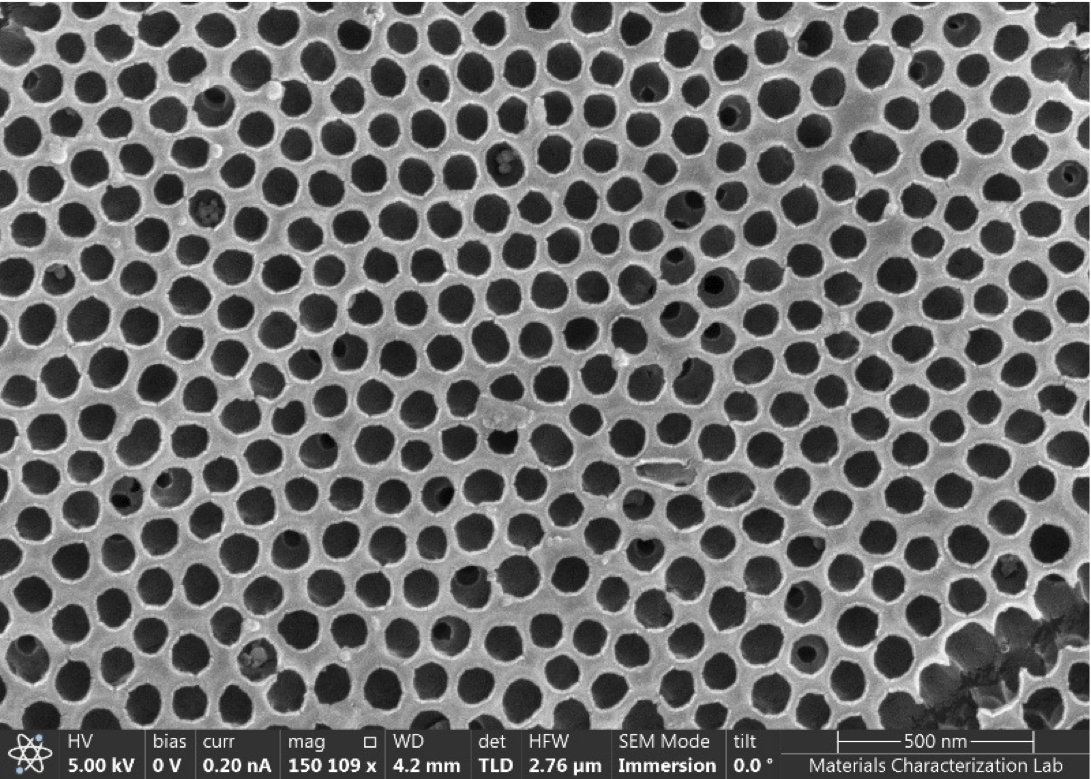
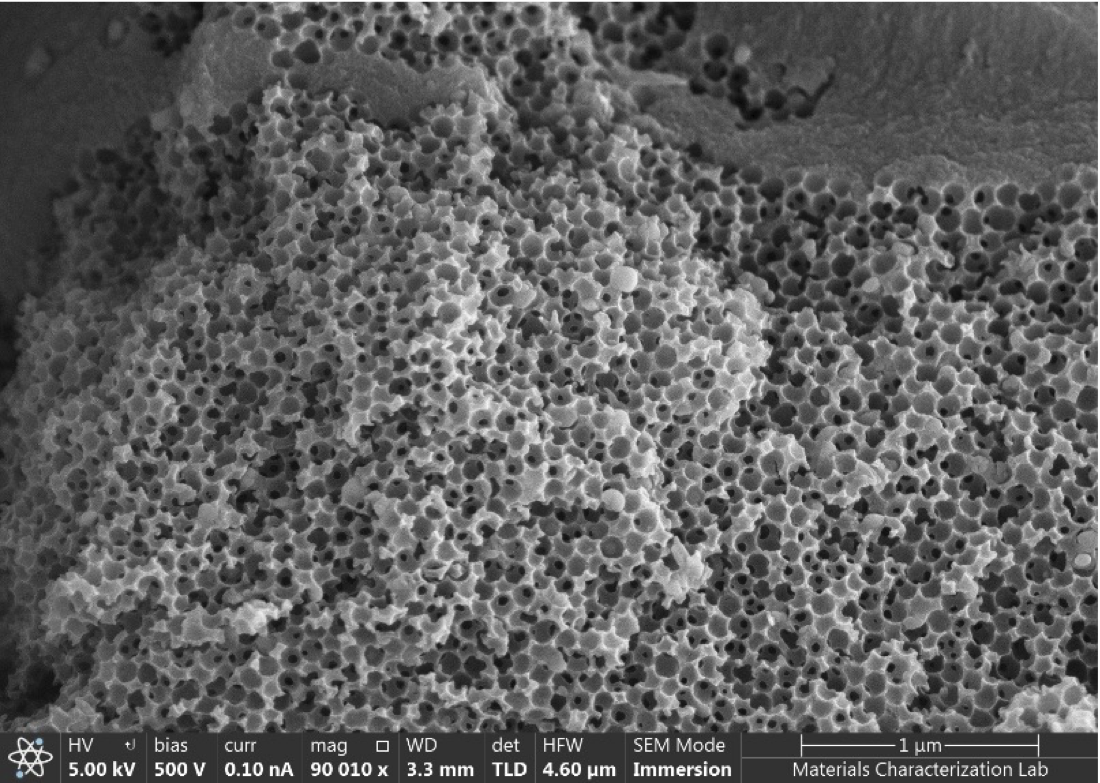
Work in the Fenton Lab uses and develops synthesis tools across length and temperature scales, aimed at discovering new materials. Our efforts span metastable colloidal nanocrystals, layered and low-dimensional materials, porous nanocomposites, and crystalline hybrid materials.
Designed precursors
Molecular precursors can carry structural and bonding information that survives thermolysis. Designing that information into the starting material steers solution chemistry toward otherwise unfavorable combinations of atoms, and in some cases toward phases with no known bulk analogue. Precursor design also makes the reaction pathway a variable that can be controlled rather than one that must be discovered empirically.

Topochemical transformations
Templating reactions in a pre-formed crystal can translate structural motifs into a new product or induce emergent properties in an existing solid. Chemically selective removal of atoms yields new solution-stable products with unusual morphologies and compositions at the nanoscale. Because the product retains a structural relationship to the parent, it also permits characterization by analogy to the starting compound.
Crystal growth and assembly
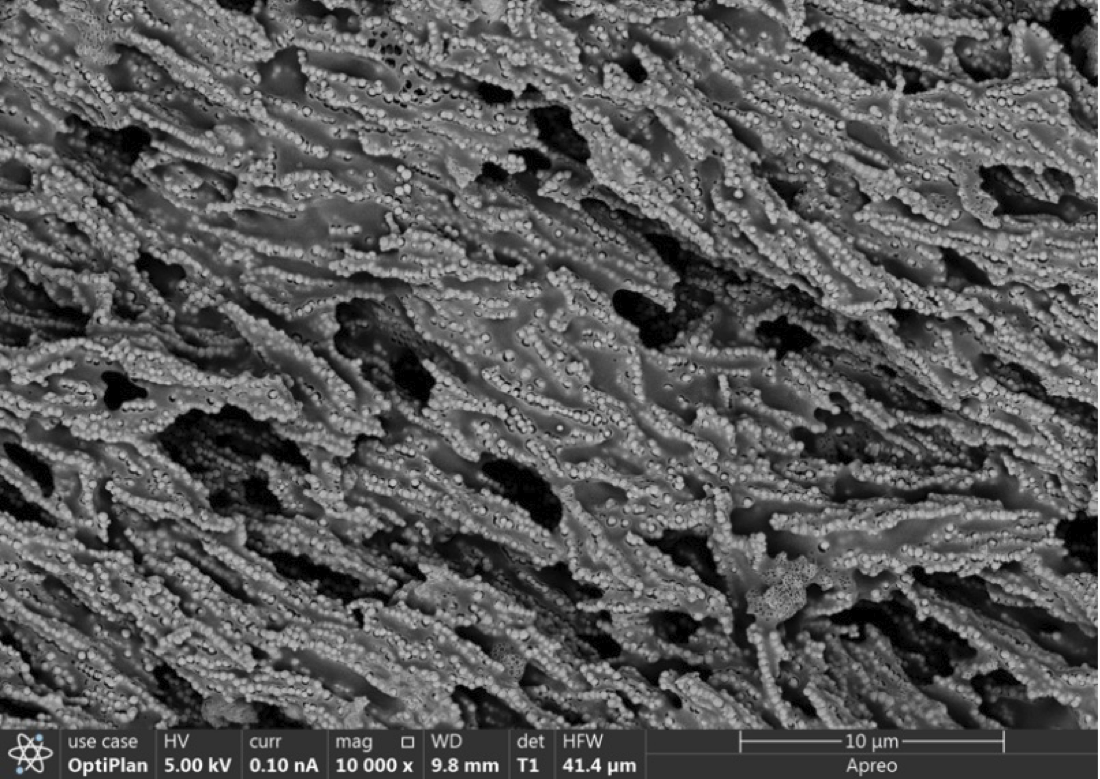
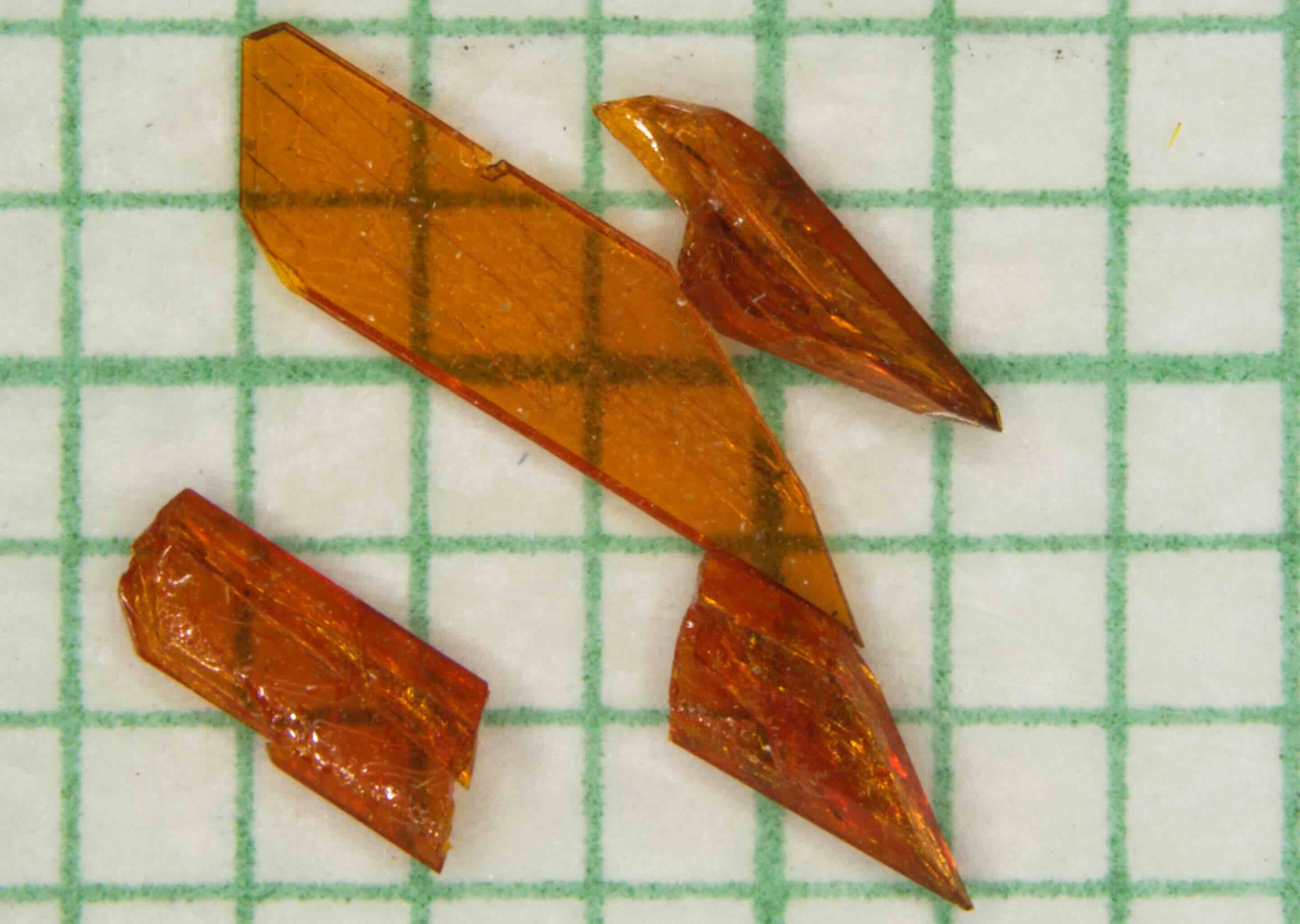
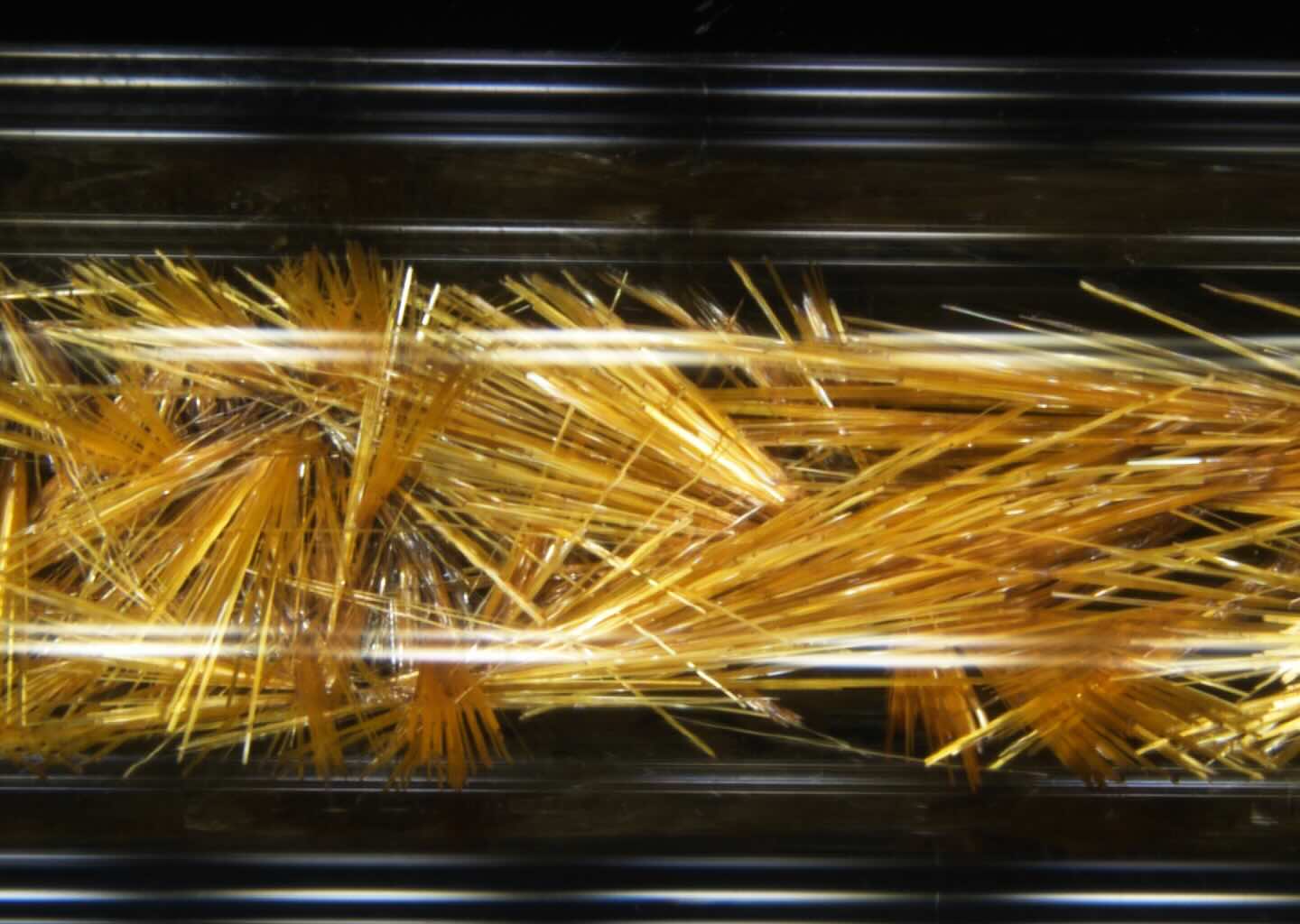
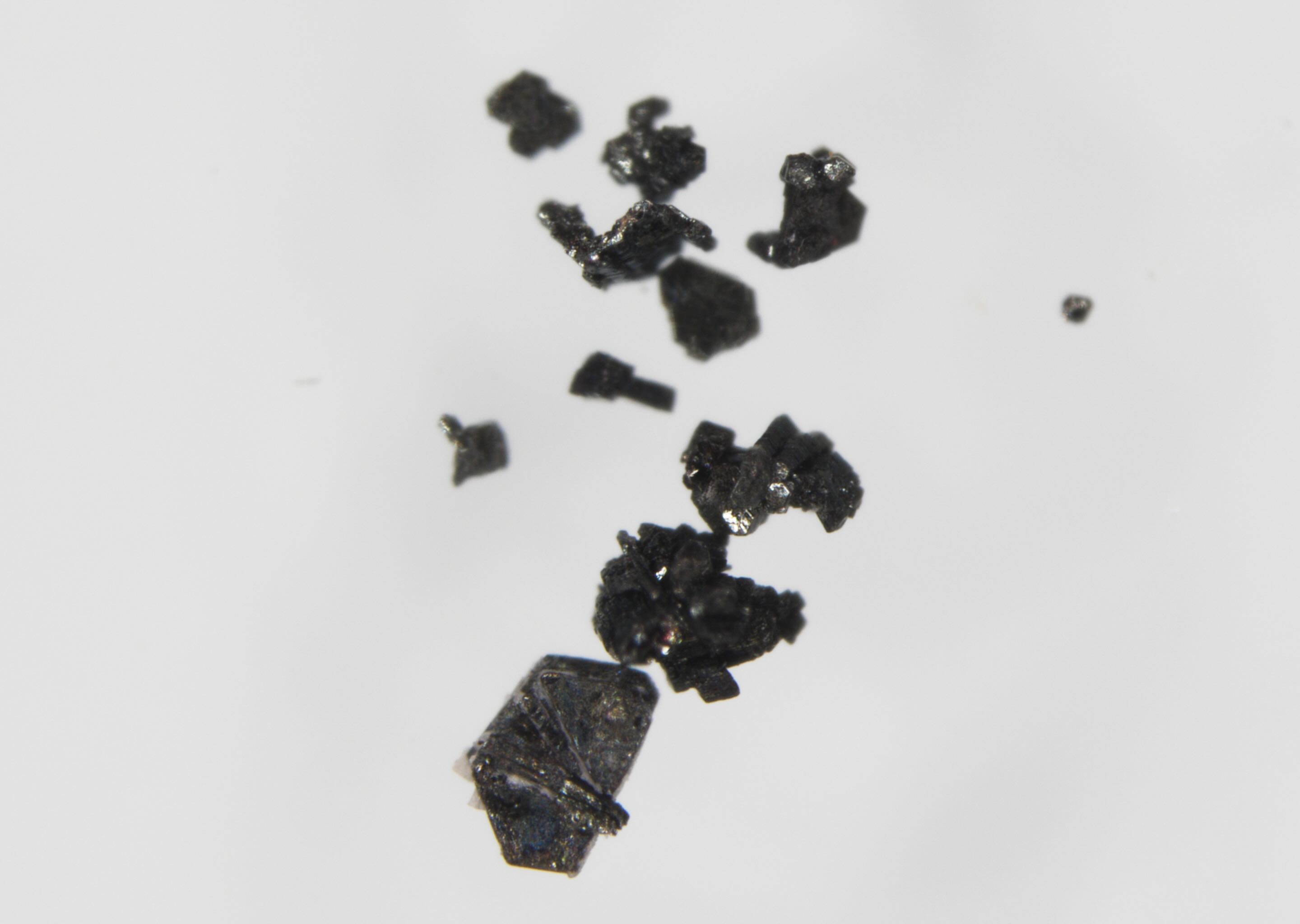
Growing single crystals of hybrid materials gives structures that can be solved rather than inferred, which makes supramolecular interactions between organic and inorganic components directly observable. Directed assembly takes the complementary approach, organizing nanoscale components into porous composites supported in polymers and gels.